理解任务上下文 Understand task context
将目标、场景观测、执行进度与历史信息组织为统一上下文。 Organize goals, observations, progress, and history into one context.
世界动作模型将当前状态、任务目标、视觉与深度信息、机器人本体状态和人类输入统一到同一个交互式模型中,在生成下一步动作的同时预测动作执行后的状态变化。 The World Action Model brings current state, task goals, visual and depth observations, robot state, and human input into one interactive model. It generates the next action while predicting the resulting state transition.
机器人面对的是连续变化的物理世界。模型不仅需要决定“下一步做什么”,还需要理解动作会如何改变环境、物体与机器人自身状态。 Robots operate in a continuously changing physical world. A model must decide what to do next and understand how that action changes the environment, objects, and robot state.
将目标、场景观测、执行进度与历史信息组织为统一上下文。 Organize goals, observations, progress, and history into one context.
结合环境和机器人本体约束,形成面向真实执行的动作输出。 Produce actions for real execution under environment and embodiment constraints.
学习“当前世界—执行动作—未来状态”之间的动态关系。 Learn the dynamics between the current world, an action, and its resulting state.
任务目标、环境感知、接触信息、机器人本体状态与人类输入分别经过编码,再进入统一的时空建模与上下文融合过程。 Task goals, environment observations, contact signals, robot state, and human input are encoded before entering a unified temporal-spatial modeling process.
视觉、深度点云、音频、机器人状态和文本分别进入对应编码器。模型完成时空建模和上下文融合,同时输出可执行动作与动作后的环境和机器人状态。 Vision, depth and point clouds, audio, robot state, and text enter dedicated encoders. The model performs temporal-spatial fusion and produces executable actions together with the resulting environment and robot state.
模型通过真实执行结果、状态变化和人类反馈比较预测与现实,将有效经验和失败样本回流到后续训练与评估。 The model compares predictions with real execution, state transitions, and human feedback, returning both valid experience and failures to later training and evaluation.
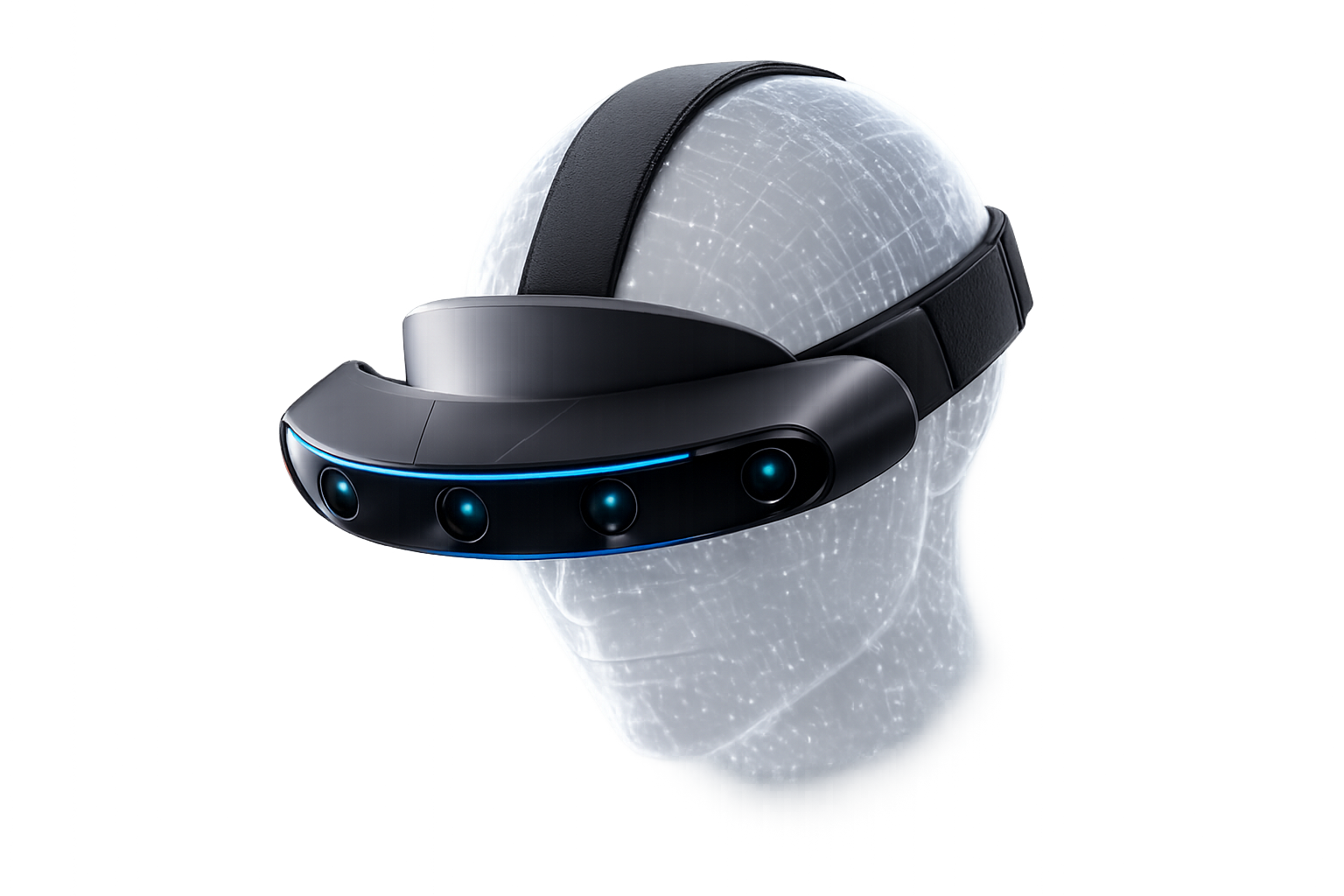
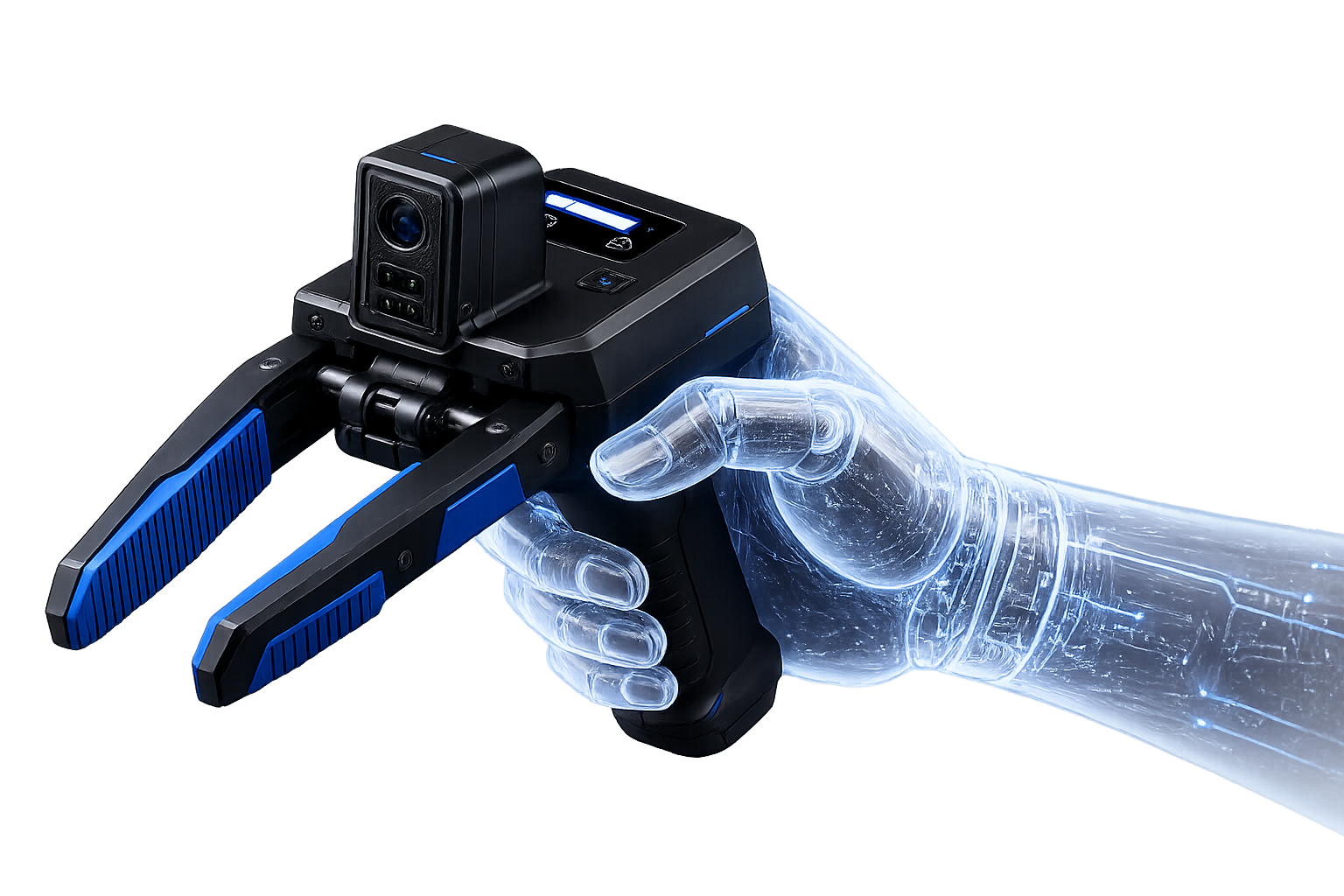
第一人称采集、UMI演示采集与真实机器人Rollout共同提供数据来源,经过管理、质量评估和训练后重新进入真实执行。 Egocentric capture, UMI demonstrations, and real-robot rollouts provide data that is managed, evaluated, trained, and returned to real execution.